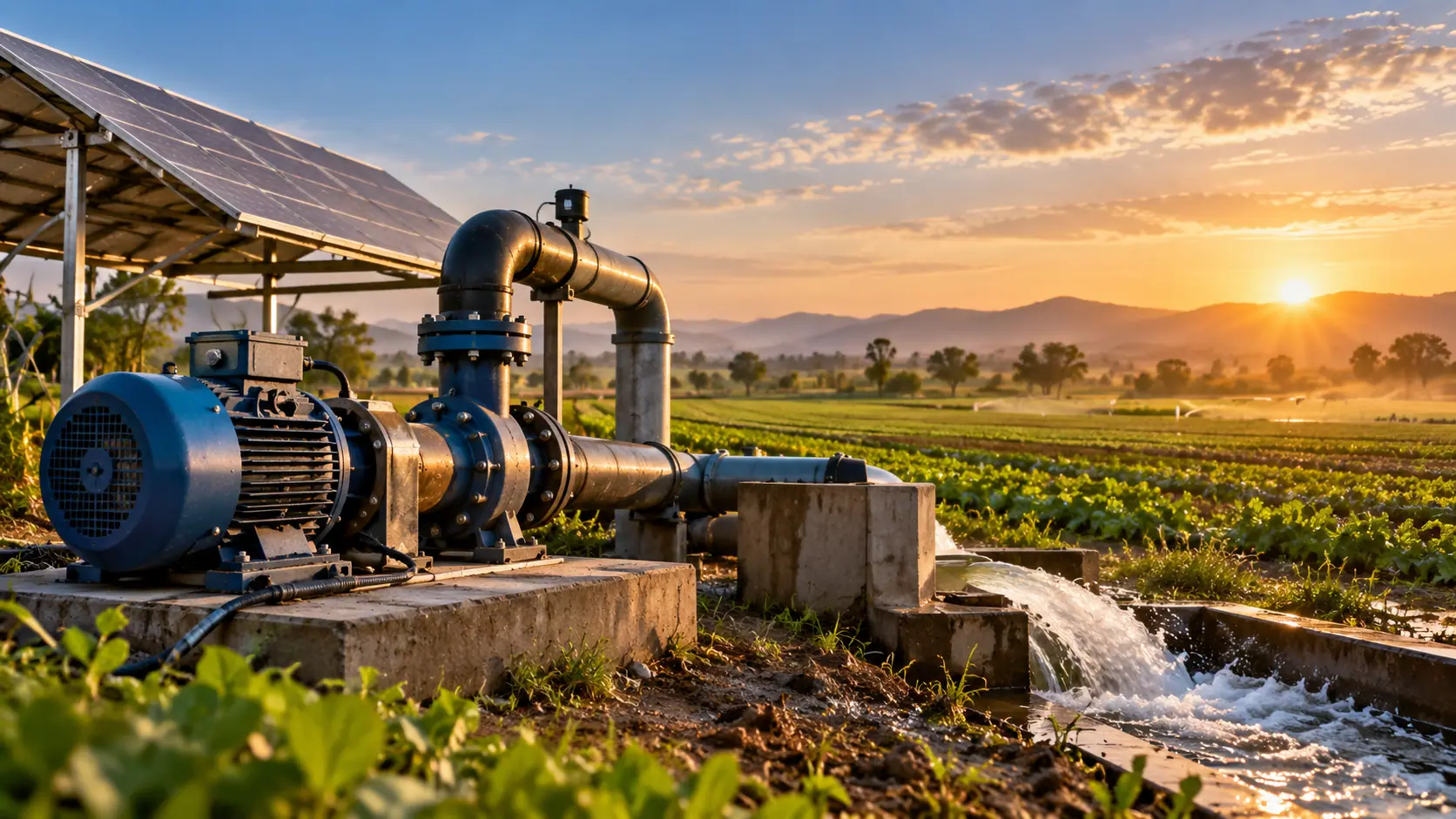
Intelligence for agricultural infrastructure
Every farm asset deserves intelligence.
Give every machine, system and piece of infrastructure a memory of its own.
Zirat connects asset identity, technical knowledge, service records and operational context to help agricultural teams understand the equipment their farms depend on.
ZiratAgricultural Asset Intelligence
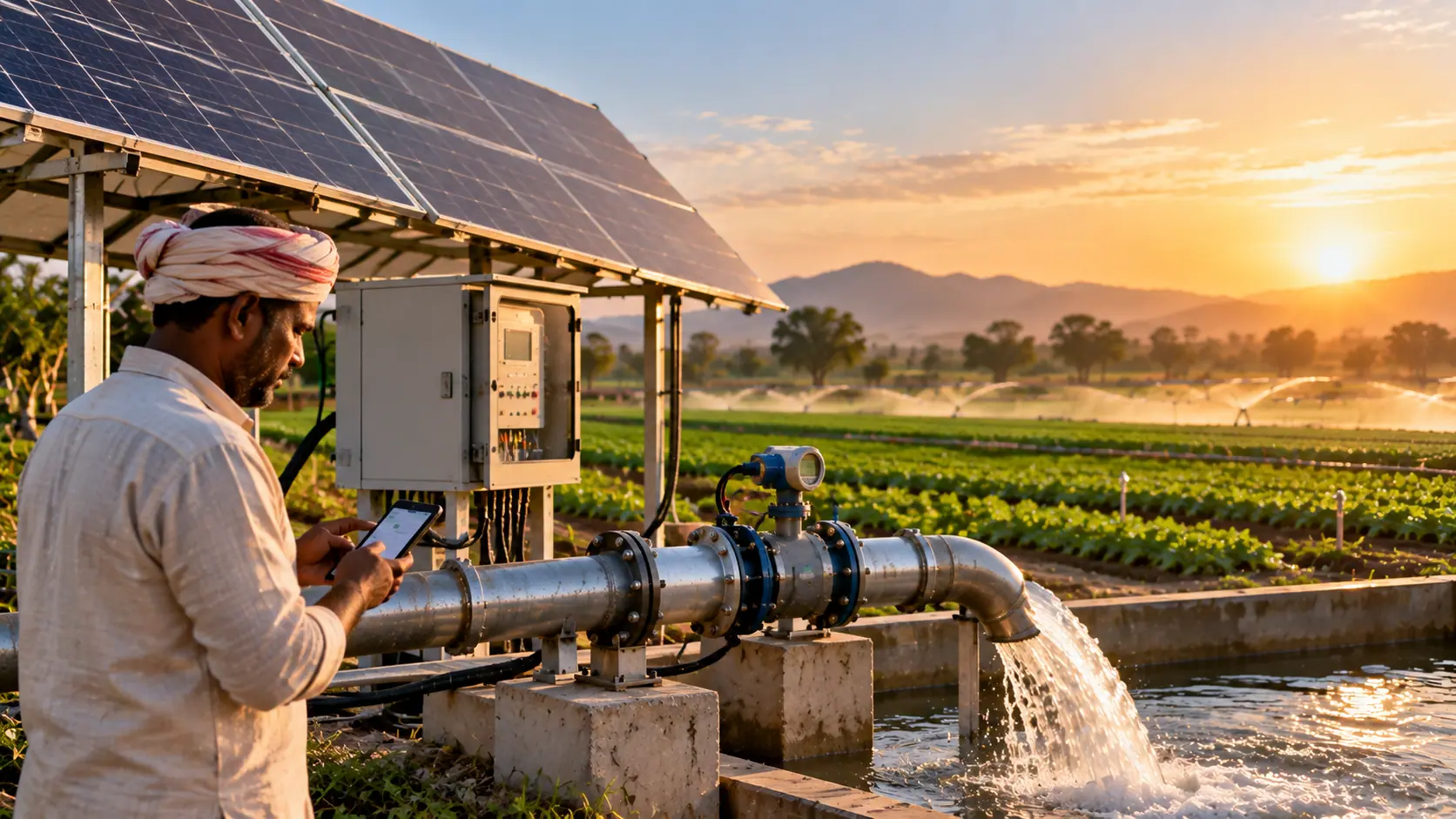
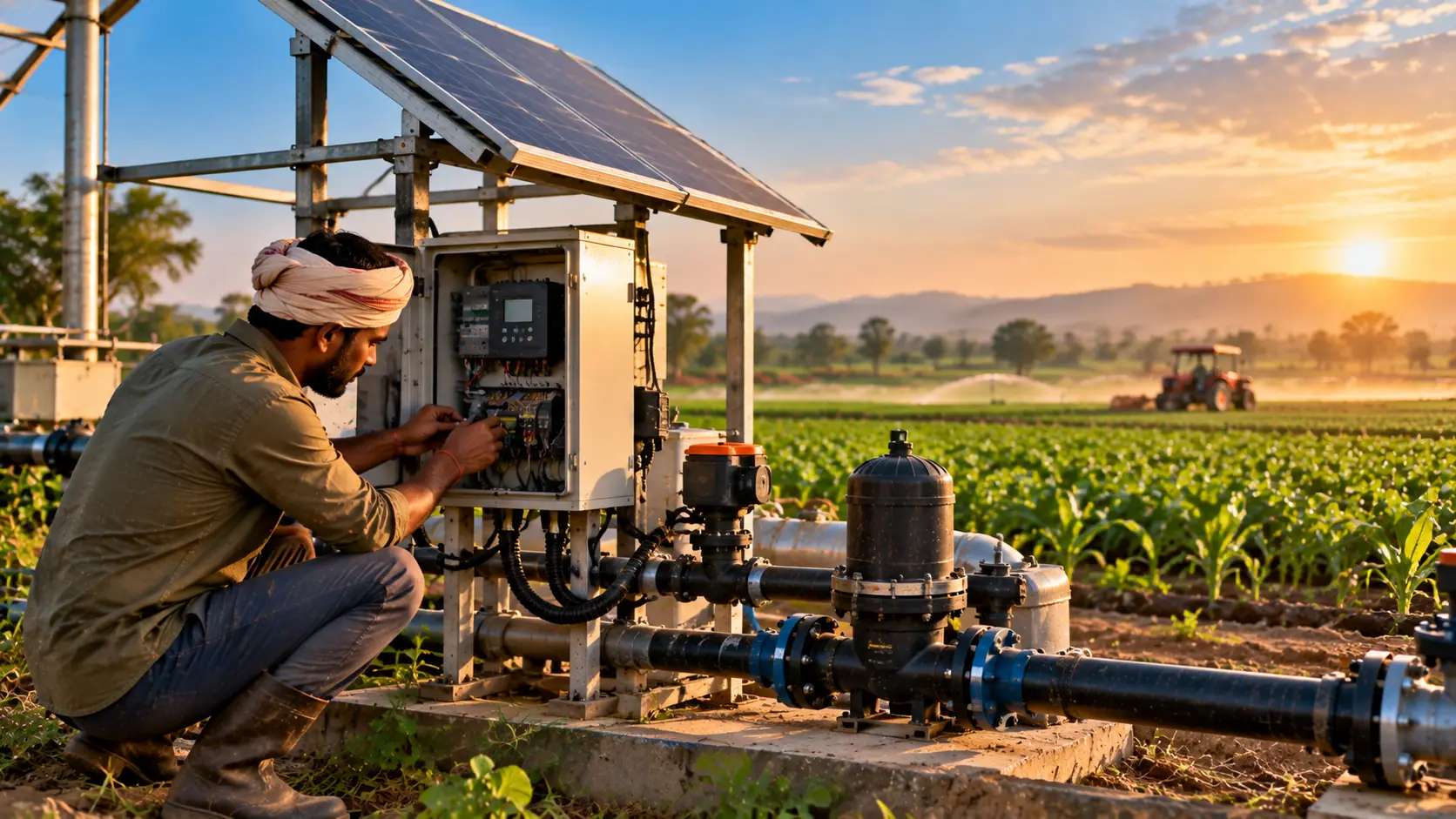
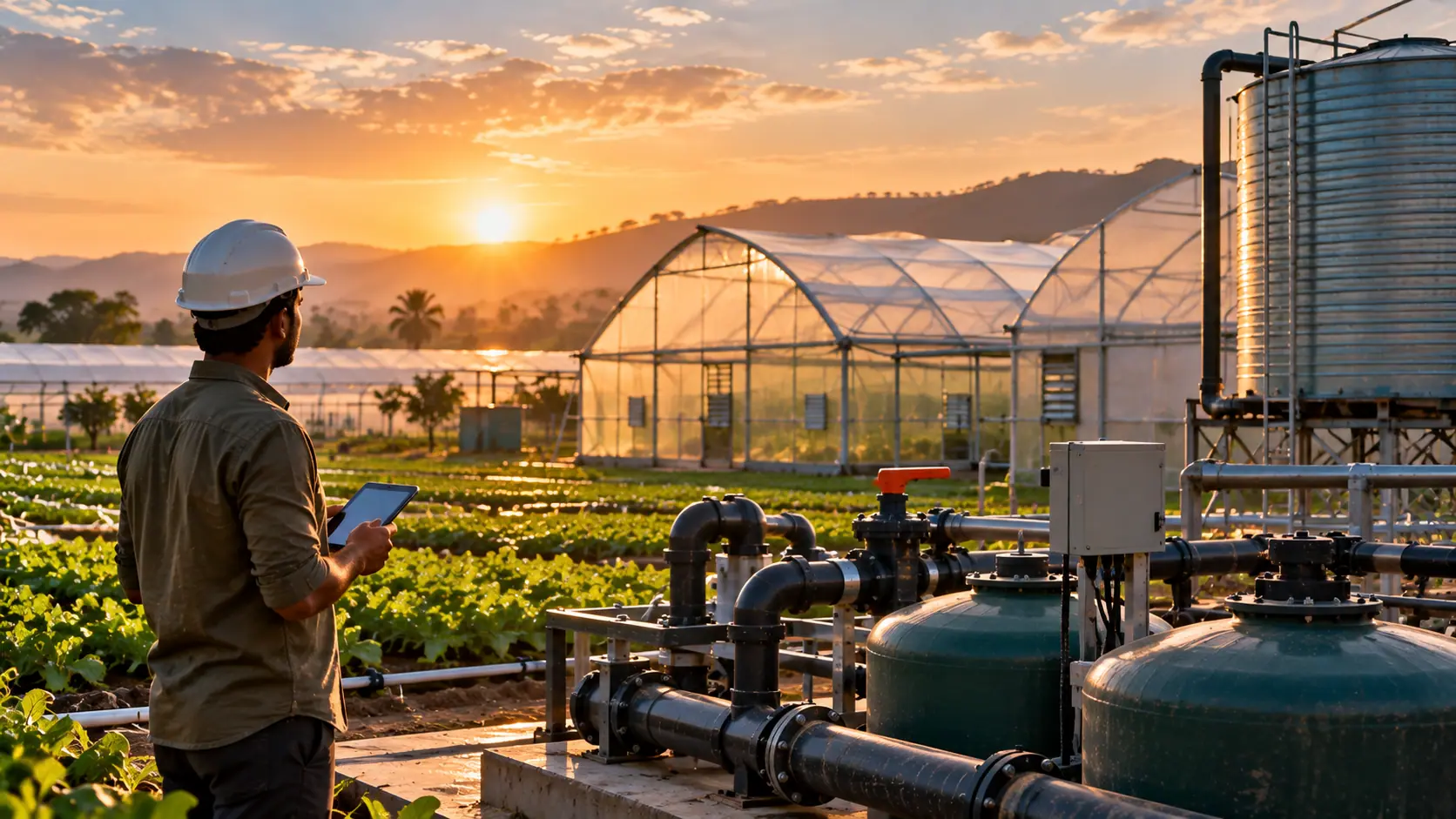
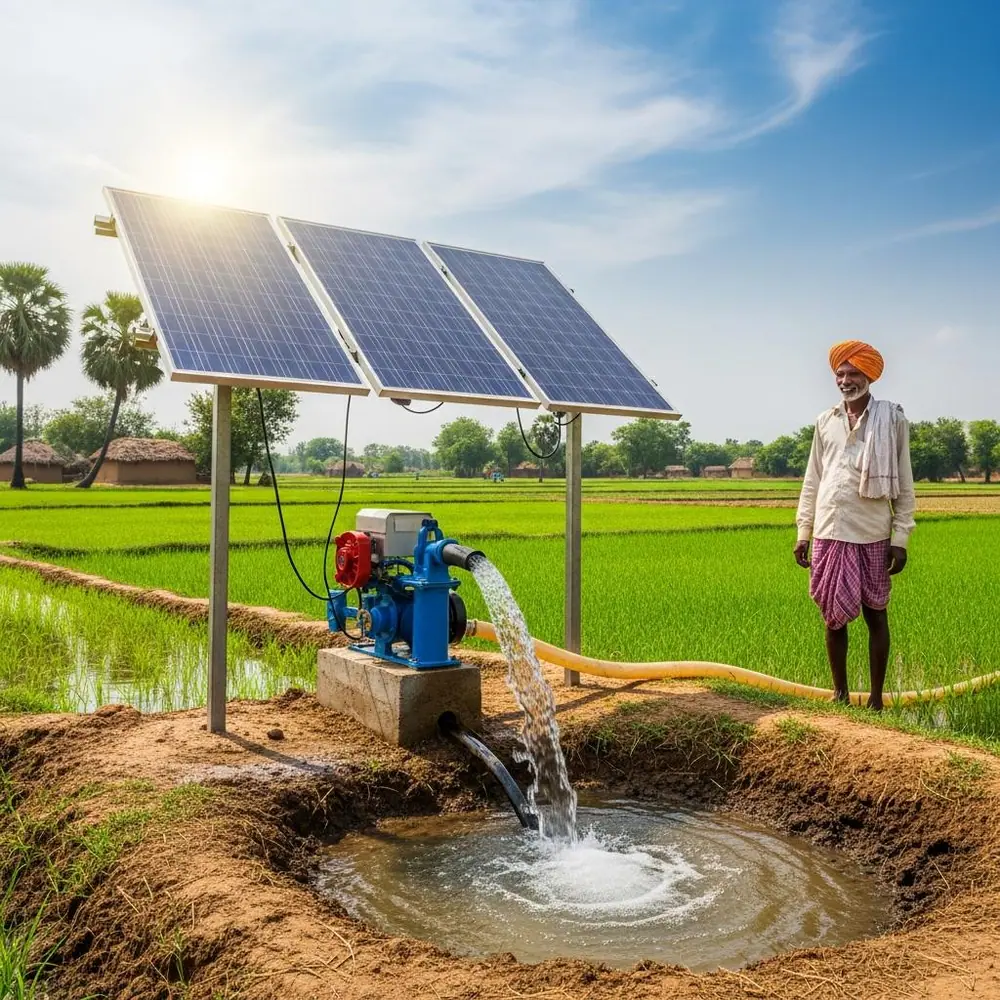
Product vision · illustrative imagery
Agricultural equipment needs more than a record. It needs context.
Keep the pumps, tractors and cold rooms behind food and water working.
Zirat is Agricultural Asset Intelligence: an intelligence record around each pump, controller, machine and piece of infrastructure a farm depends on — connecting its identity, technical knowledge, evidence and history, so the people standing at the machine can ask it questions and decide what to do next.
- Is an intelligence layer for the physical equipment and infrastructure behind agriculture
- Is not farm management, crop or agronomy software
- Is not a farming chatbot, an IoT dashboard or a marketplace
When a pump fails mid-season, the knowledge is somewhere else.
Information exists. Context is fragmented. The operator or mechanic reconstructs the missing picture — by phone calls, scrolling and memory — while the machine waits.
A problem hypothesis to validate with farmers and mechanics — not the result of completed field research.One asset. One connected intelligence record.
Zirat brings fragmented equipment information into one persistent, searchable context. It is designed to sit beside the systems a farm or dealer already uses — not to replace them.
Existing systems and sources
- Dealer records
- OEM manuals
- Farm records
- Warranty information
- IoT systems and controllers
- Maintenance logs
- Inspection evidence
Designed to connect — integrations are planned, not live.
One asset record
- Asset Identity
- Technical Knowledge
- Inspection Evidence
- Asset History
- Investigation
- Recommendation
- Human Decision
From a machine in the field to a recorded decision.
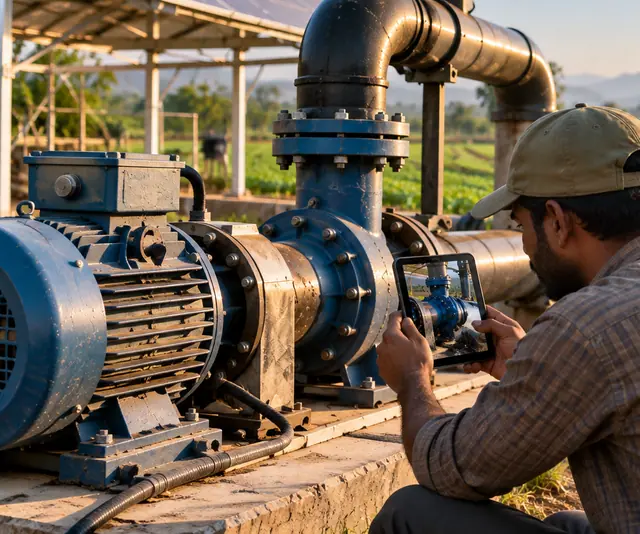
Scroll through one irrigation pump. Each step adds a layer to the same record.
- 01
Identify
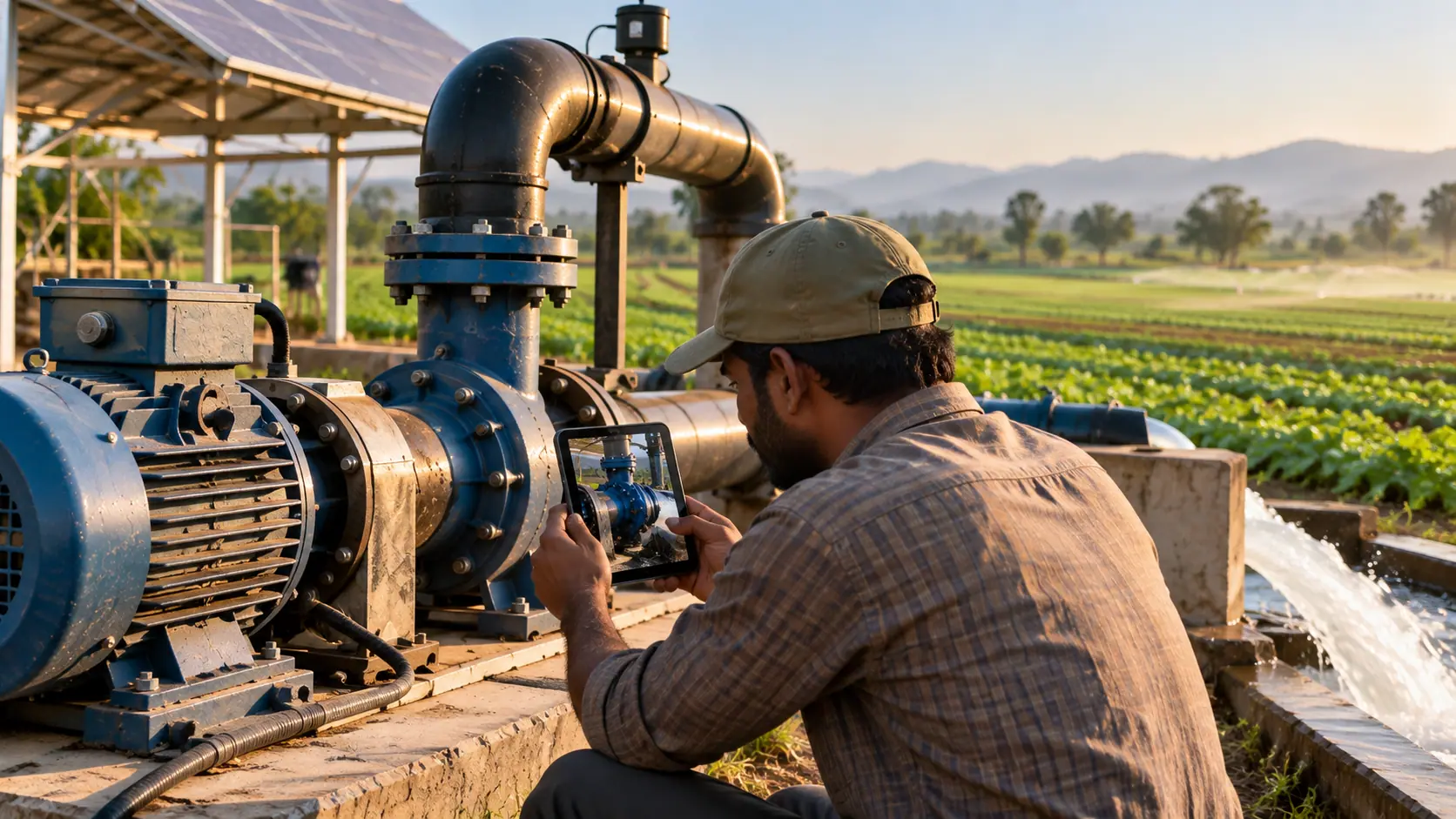
Establish the identity of the physical asset using an Asset Anchor, a nameplate photograph or a serial number — whatever is available.
Adds · Identity - 02
Connect knowledge
Bring together manuals, specifications and relevant technical documents, kept distinct from facts about this unit.
Adds · Knowledge - 03
Capture evidence
Record photographs, readings, observations and notes at the machine, with capture time and author.
Adds · Evidence - 04
Build history
Preserve installation, inspection, service, repair and parts information against the same asset record.
Adds · History - 05
Investigate
Ask asset-specific questions using its connected knowledge and history. Gaps in the record are flagged, not hidden.
Adds · Investigation - 06
Recommend
Present source-grounded possible next steps, with observations and inferences distinguished.
Adds · Recommendation - 07
Record
Capture the confirmed decision and its outcome in the asset’s history, so the record keeps learning.
Adds · Human decision
One record. Every source. Machine-specific.
An illustrative record for an irrigation pump. Hover a source to see which part of the record it rests on.
Irrigation Pump · Pump House 2
ZIRAT-PM-0000
- Asset type
- Irrigation pump
- Make / model
- Illustrative
- Location
- Pump House 2
- Anchor
- QR tag · nameplate photo on file
Knowledge General equipment knowledge
- Technical manualLinked
- Specification sheetLinked
- Service guideLinked
History Fact from records
- Current yearPre-season check
- Previous yearSeal replaced
- EarlierInstalled
Evidence Observed
Condition Possible seal seepage · Photos 3 · Notes operator-entered
Investigation
Operator asksWhat should I check before the next irrigation cycle?
Today’s photos appear to show seepage near the shaft seal.
A previous service record notes a seal replacement.
The seal may need renewed inspection.
Consult the service guide and have a mechanic inspect the seal before prolonged operation.
Seal part number is not recorded against this asset.
Zirat does not declare the machine safe or operational. The mechanic decides.
Illustrative interaction- SourceA document or record
- ObservedSeen or recorded at this machine
- InferredReasoned — verify
- SuggestedA possible next step
- Human decisionConfirmed by a person
Better equipment context. More informed resource decisions.
Keeping pumps, controllers and cooling equipment in good condition may support more reliable operation and reduce avoidable resource waste. That is a potential outcome — not a proven Zirat result.
- Fragmented equipment informationManuals, bills and advice held in different placesProduct function
- Better asset contextOne connected record per machineProduct function
- More informed investigationQuestions answered from the machine’s own evidenceProduct function
- Timely maintenance decisionsMade by people, with better informationProduct function
- Potentially more reliable equipmentSubject to real-world useHypothesis
- Potential water and energy benefitsTo be measured, not assumedHypothesis
Climate outcomes to be validated through field pilots. No verified Zirat impact measurements exist today.
Six operational scenarios, not a feature list.
Asset Identification
Know exactly which machine is in front of you.
A nameplate photograph or a scan of the Asset Anchor resolves to one machine — make, model, serial and its record.
Equipment Knowledge
Find the technical information that belongs to this machine.
Manuals, specifications and service information connected to one asset — kept distinct from facts about this specific unit.
Inspection Intelligence
Turn field observations into structured asset evidence.
An inspection photograph, an observation and a linked record — captured once, attached to the machine.
- EarlierInstalled
- Last yearSeal replaced
- TodayPossible seepage observed
Maintenance Investigation
Understand what happened, what changed and what the evidence supports.
A timeline connects a present observation to previous service history, so a mechanic starts with context.
Service Continuity
Preserve equipment knowledge across people and seasons.
The asset history stays available when operators, mechanics or seasons change.
“Consult the service guide and inspect the seal before prolonged operation.”
Evidence and Decision Support
Keep the sources behind a recommendation.
A source-grounded response is stored with the records it rests on, and the decision that followed.
Agricultural intelligence must work where agriculture happens.
Planned for field use, including regional-language and low-bandwidth environments.
- Mobile-first interactionDesigned around a phone in the hand, at the machine.
- Practical equipment identificationAsset Anchor scan, nameplate photograph or serial number.
- Regional-language accessibilityA planned development priority.
- Low-bandwidth usabilityPlanned: cached essentials and queued capture where signal is weak.
- Simple evidence capturePhotographs and notes attach to the machine as they are taken.
- Clear technical informationSources shown; general knowledge kept apart from facts about this unit.
- Human controlThe owner, operator or mechanic decides.
Irrigation Pump · Pump House 2
ZIRAT-PM-0000
- Identity
- Service guide
- Last year’s service
- Photo · 06:42
- Operator note
Illustrative interface
One asset record. Different people. Shared context.
These are the people the product is designed for. They are potential users and partners, not existing customers.
Farm owner
“What equipment do I depend on, and what is its maintenance history?”
Operator
“What do I need to know before using this machine?”
Mechanic
“What evidence and technical guidance should I review?”
Dealer or service partner
“What service history and equipment information are available?”
FPO or infrastructure operator
“How can we preserve and retrieve equipment knowledge across multiple farms or facilities?”
Built around the asset, not around the screen.
- 01
Asset-specific
Context belongs to the individual machine.
- 02
Evidence-backed
Technical information and recommendations can be linked to their sources.
- 03
Persistent
Knowledge and history accumulate over time.
- 04
Contextual
Investigations use asset-specific information rather than isolated generic answers.
- 05
Human-controlled
Operators and qualified mechanics retain decision authority.
- 06
Resource-aware
Reliable equipment and informed decisions create a potential pathway to more efficient resource use.
Climate relevance should be demonstrated in the field.
Zirat’s proposed climate contribution depends on real-world equipment use and measurable outcomes. This is the measurement framework we propose to agree with pilot partners.
Time to find the right equipment information
How long it takes to locate the manual, specification or history that applies to this machine.
Time to investigate a fault
From first observation to a documented next step, against the partner’s own baseline.
Share of answers linked to a source
How often a recommendation can be traced to a specific document, record or observation.
Farmer and mechanic confidence
Structured feedback on whether the record and its answers were trusted and useful.
Usability in low-bandwidth conditions
Whether capture and retrieval work where connectivity is intermittent.
Downtime or resource impact
Only where a reliable baseline exists and the effect can be attributed responsibly.
Baselines are agreed with pilot partners first. Improvements are measured, not assumed.
Read the climate pathwayStart with one farm equipment workflow.
A proposed pilot, presented as an invitation — not a completed deployment. Scope and sites depend on partner availability and validation.
Users
A small group of farms, FPOs or equipment dealers, ideally involving polyhouse or drip-irrigation equipment.
Asset scope
Approximately 10–20 pumps and irrigation controllers.
Data
OEM manuals, existing service records, photographs and operator observations.
Workflow
Identify → Connect → Capture → Investigate → Recommend → Record.
Measurement
Compare time, accuracy, trust and usability against agreed baselines.
Human authority
The owner, operator or mechanic remains responsible for decisions.
Questions the pilot is designed to answer
- Will farmers and mechanics actually capture and use an equipment record?
- Are the answers accurate against OEM documentation?
- Does it work on a phone, in local language, with patchy connectivity?
- Which partner — dealer, FPO, financier — sees enough value to pay for it?